Bathinda District Guide: Tehsils, Assembly Constituencies, Population, History and Places to Visit
- Punjab
- (Asia/Kolkata)
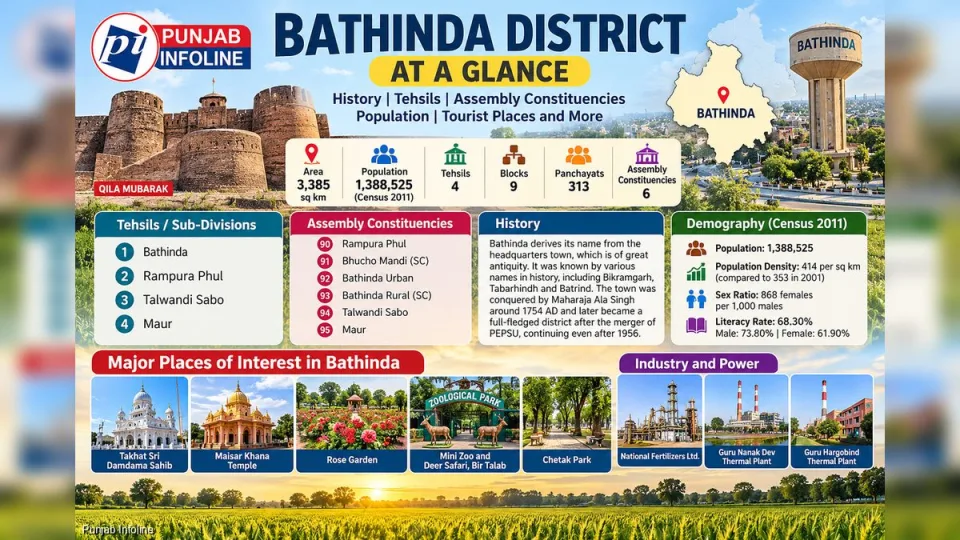
Bathinda: Bathinda is an important district of Punjab with a rich historical background, prominent religious sites and several places of tourist interest. Spread over an area of 3,385 sq km, the district had a population of 1,388,525 according to the 2011 Census.
Bathinda District at a Glance
- Area: 3,385 sq km
- Population: 1,388,525 (Census 2011)
- Tehsils/Sub-Divisions: 4
- Blocks: 9
- Panchayats: 313
- Assembly Constituencies: 6
Tehsils and Sub-Divisions in Bathinda
Bathinda district has four tehsils/sub-divisions:
- Bathinda
- Rampura Phul
- Talwandi Sabo
- Maur
Assembly Constituencies in Bathinda District
Bathinda district has six Assembly constituencies:
- 90-Rampura Phul
- 91-Bhucho Mandi (SC)
- 92-Bathinda Urban
- 93-Bathinda Rural (SC)
- 94-Talwandi Sabo
- 95-Maur
History of Bathinda
Bathinda district derives its name from its headquarters town, which has a long history. According to Khalifa Muhammad Hassan, author of History of Patiala, its ancient name was Bikramgarh. According to Raverty, Bathinda was known as Tabarhindh in Labb-ut-Twarikh, while Ibn Batuta referred to it as Batrind.
The earliest mention of Tabarhindh occurs in Jami-Ul-Hakayat, written around 607 Hijri or 1211 AD. According to Ainai-Barar Bans, Bathinda was built by Bhati Rao, son of Bal Band, who became ruler of Punjab in 336 Bikrami Sambat. He also founded Bhatner.
The place was also known as Whatinda and Bitunda before becoming known as Bhatinda. Its name was later changed to Bathinda on the authority of the Survey of India to conform to the phonetic expression as locally pronounced.
In more recent history, the town was conquered by Maharaja Ala Singh around 1754 AD and subsequently followed the history of the erstwhile princely state of Patiala. After Independence and the merger of Patiala and East Punjab States into PEPSU, Bathinda became a full-fledged district. It continued as a district after PEPSU merged with the erstwhile Punjab State in 1956.
Population and Literacy
According to the 2011 Census of India, Bathinda district had a population of 1,388,525. The district's population density was 414 persons per square kilometre, compared with 353 in the 2001 Census.
The sex ratio recorded in the 2011 Census was 868 females per 1,000 males. Bathinda district had a literacy rate of 68.30%, with male literacy at 73.80% and female literacy at 61.90%.
Major Places of Interest in Bathinda
Qila Mubarak
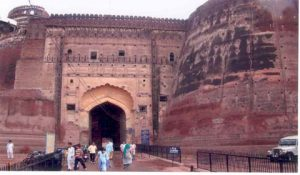
Qila Mubarak is one of Bathinda's prominent historical landmarks and stands in the heart of the city. The fort has a long history associated with Bathinda. Sri Guru Gobind Singh Ji also stayed at the fort.
Takhat Sri Damdama Sahib
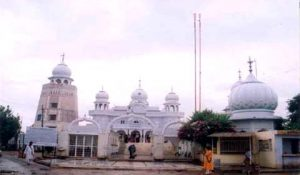
Talwandi Sabo, popularly known as Damdama Sahib, is an important historical and religious place connected with Sikh history. It is situated south of Bathinda and is also known for its colourful Baisakhi fair.
After the battles at Anandpur Sahib, Chamkaur Sahib and Muktsar, Guru Gobind Singh Ji came to the Malwa region and stayed at Talwandi Sabo for nine months and nine days. The place became a centre for spreading his mission and came to be known as Guru-ki-Kanshi.
Guru Teg Bahadur Ji had also visited the place earlier. Damdama Sahib has ten Gurdwaras and three tanks — Nanksar Sarover, Akalsar Sarover and Gurusar Sarover.
Maisar Khana Temple
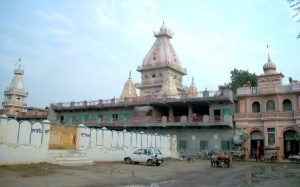
Maisar Khana Mandir is located about 29 km from Bathinda on the Bathinda-Mansa Road. According to a legend, the Jyoti of Mata Jawala appeared to give darshan to a poor devotee who could not reach the Durga temple at Jawala Ji.
Two melas are held here every year, attracting devotees for darshan of Jawala Ji.
Rose Garden
Bathinda's Rose Garden is spread over 10 acres and has a wide variety of roses. Located near the Bathinda Thermal Plant, it is a popular picnic spot and attracts local residents, including morning walkers.
The garden has green lawns and facilities for children, including rides and other recreational activities. Winter is considered a good time to see the roses in bloom.
Mini Zoo and Deer Safari, Bir Talab
The zoological park and tourist complex is around 6 km from Bathinda. It has facilities for children and lawns for picnics.
Chetak Park
Chetak Park is around 5 km from Bathinda and serves as a tourist and recreational complex with facilities for children and lawns for picnics.
Industry and Thermal Power
National Fertilizers Ltd.
National Fertilizers Ltd. has a urea fertiliser production complex with a capacity of 1,550 MT of urea per day. The complex has contributed to the development of Bathinda district while catering to people's requirements.
Guru Nanak Dev Thermal Plant
The Guru Nanak Dev Thermal Plant at Bathinda is named after Sri Guru Nanak Dev Ji, the first Sikh Guru and founder of Sikhism. Its four units were built beginning in the early 1970s and were completed in 1982. Together, the units had a generation capacity of up to 460 MW (2×110+2×120 MW).
Guru Hargobind Thermal Plant
Guru Hargobind Thermal Plant at Lehra Mohabbat is located on National Highway No. 7, earlier known as NH 64, on the Bathinda-Chandigarh route.
With its historical sites, Sikh religious heritage, parks and administrative importance, Bathinda holds a distinct place in Punjab. Qila Mubarak, Takhat Sri Damdama Sahib, Maisar Khana Temple and other places of interest form an important part of the district's identity.