Delhi’s AQI Averaged 382, but IIT Delhi and Rohini Both Recorded 474
- National
- (Asia/Kolkata)
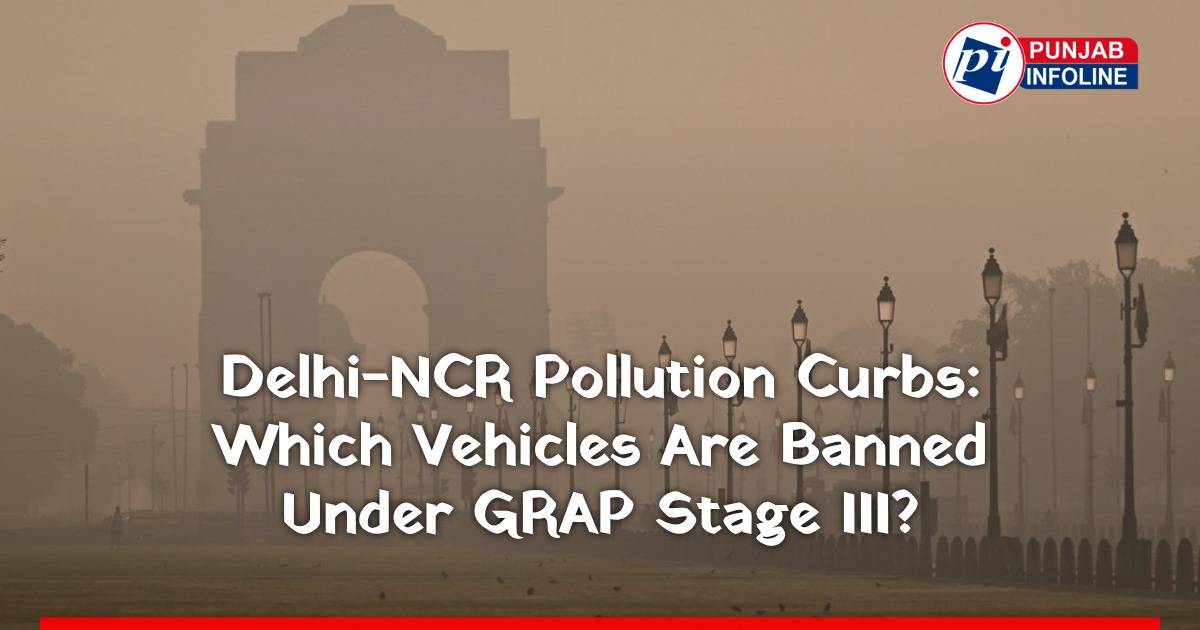
New Delhi, November 6, 2026: The Commission for Air Quality Management (CAQM) invoked Stage III of the Graded Response Action Plan (GRAP) across Delhi and the National Capital Region on Friday with immediate effect. The precautionary move came less than two days before Diwali as Delhi’s average Air Quality Index (AQI) reached 382, in the ‘Very Poor’ category, and several monitoring stations recorded ‘Severe’ readings above 400.
Central Pollution Control Board (CPCB) data showed AQI readings of 474 each at IIT Delhi and Rohini, 465 at Punjabi Bagh, 443 at RK Puram, 422 at ITO, 420 at Firoz Shah Road and 403 at India Gate. Several stations had entered the ‘Severe’ category earlier in the day. Forecasts from the India Meteorological Department (IMD) and the Indian Institute of Tropical Meteorology (IITM) indicated that calm winds and stagnant atmospheric conditions could push air quality further into the ‘Severe’ category in the coming days.
The CAQM’s GRAP Sub-Committee reviewed air quality and the forecasts before extending Stage III measures across the NCR. Stage III is typically associated with AQI levels of 401–450. The committee acted early to prevent further deterioration linked to unfavourable weather and the lingering effects of stubble burning in neighbouring states. Stage I and Stage II measures remain in force.
Vehicle restrictions in Delhi and five NCR districts
The restrictions bar BS-III petrol and BS-IV or older diesel light motor vehicles (four-wheelers) from plying in Delhi, Gurugram, Faridabad, Sonipat, Ghaziabad and Gautam Buddha Nagar (Noida). Curbs also apply to certain older diesel light and medium goods vehicles. Persons with disabilities are exempt from the private vehicle curbs.
Authorities have encouraged commuters to use public transport. Additional Metro services and buses are being deployed.
Construction, demolition and mining curbs
Non-essential construction and demolition work has been suspended across the NCR. This covers excavation, earthwork, piling, trenching, drilling, boring, demolition, brickwork, masonry, road construction, major repairs, painting, polishing, varnishing, major welding, gas-cutting, and cutting or grinding tiles and stones.
Transporting sand, cement, bricks, fly ash and crushed stone on unpaved roads is prohibited. Stone crushers, mining operations and hot-mix plants that do not use clean fuels have been directed to shut down. Open-air operations at ready-mix concrete plants are also restricted.
Essential projects, including railways, Metro, airports, defence, hospitals, highways, power and water supply, may continue under strict dust-control norms.
Hybrid classes and other measures
- Schools in Delhi, Gurugram, Faridabad, Ghaziabad and Gautam Buddha Nagar have been directed to hold classes up to Class V in hybrid mode, combining in-person and online learning where feasible.
- Private offices have been advised to adopt work-from-home or hybrid arrangements to reduce traffic.
- Diesel generator sets are banned except for emergency and essential services.
- Authorities have stepped up mechanical road sweeping, water sprinkling and enforcement against open burning and other sources of pollution.
Delhi Environment Minister Manjinder Singh Sirsa urged residents to follow the restrictions. He said the measures were precautionary and aimed to curb pollution spikes linked to changing weather and the lingering effects of stubble burning. Sirsa highlighted that the BS-III petrol and BS-IV diesel vehicle restrictions apply regardless of registration, pointed to hybrid classes for younger students and said near-zero wind speeds could worsen conditions. “Only by working together can we help clean the air in Delhi,” Sirsa said.
Authorities are monitoring air quality ahead of Diwali, when fireworks typically worsen pollution, and may move to Stage IV if the AQI crosses 450. They have advised residents to minimise outdoor exposure, use public transport or cleaner modes of travel, avoid unnecessary private gatherings and refrain from burning coal or wood for heating.
The CAQM directed agencies across the NCR to strictly enforce Stage III alongside the measures already in force under Stages I and II.